
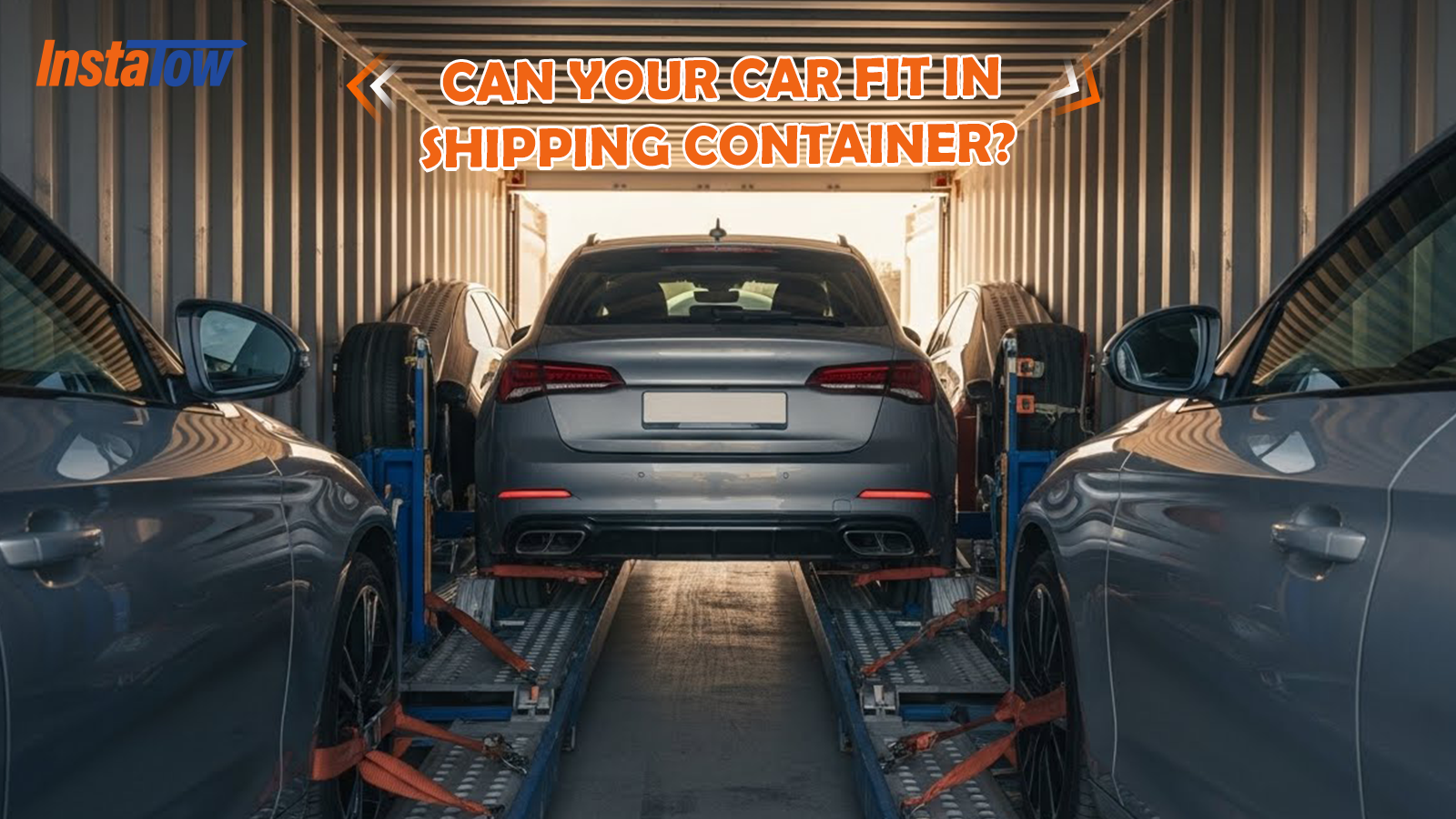
When planning international vehicle transport, a common question is whether cars fit in shipping containers, and the answer depends on both container size and vehicle dimensions.
Shipping containers are manufactured with standardized measurements, which makes them a practical and secure solution for transporting cars overseas.
Understanding Standard Container Sizes
International vehicle transport often raises questions about whether a car can be accommodated inside a shipping container.
This depends mainly on the container’s dimensions and the overall size of the vehicle. Because shipping containers are produced using standardized measurements, they provide a dependable and secure solution for transporting cars overseas when the appropriate container size is chosen.
2026 Market Guide: Car Hauler Prices and Rates
What Types of Cars Fit in Shipping Containers
Most sedans, coupes, hatchbacks, and compact SUVs fit comfortably inside shipping containers. Sports cars and classic cars are also commonly shipped this way because container transport offers protection from weather, salt air, and road debris.
Larger vehicles such as full-size trucks, oversized SUVs, or lifted vehicles may require a 40-foot or high-cube container. In some cases, disassembly or special positioning is needed to ensure proper clearance.
How Cars Are Loaded into Shipping Containers
Cars are typically driven or carefully pushed into the container using ramps. Once inside, the vehicle is secured with wheel chocks and heavy-duty straps to prevent movement during transit. Professional loading ensures the car remains stable throughout the journey.
For high-value or classic vehicles, additional padding and soft straps may be used to protect the exterior and suspension.
What Size Trailer Do I Need to Haul a Car?
Benefits of Shipping a Car in a Container
Container shipping provides one of the highest levels of protection for international car transport. The enclosed environment shields the vehicle from weather conditions, saltwater exposure, theft, and handling damage.
Container shipping also allows for private or shared options. Shared containers reduce costs by transporting multiple vehicles together, while private containers offer faster delivery and exclusive use.
The Risk of Using an Anonymous Shipping Company
Shipping a vehicle through an unknown or unverified company can introduce unnecessary risk into an already complex process. Anonymous providers often lack transparency around licensing, insurance coverage, and handling procedures.
In some cases, customers may not know where their vehicle is stored, who is responsible for it at each stage, or what protections are in place if delays or damage occur.
Without clear documentation, verified credentials, or consistent communication, small issues can quickly escalate.
Missing permits, improper container loading, or limited insurance coverage may lead to customs delays, unexpected fees, or exposure to damage while the vehicle is in transit. These risks are often discovered only after the shipment is already underway, leaving little room to resolve problems efficiently
Understanding How Wide Is a Car Hauler Trailer in 2026
Bringing Clarity and Protection to Vehicle Shipping
Navigating
vehicle shipping—especially across long distances—can feel unpredictable without the right support. Working with an experienced transport provider helps replace that uncertainty with a clear, organized process built around safety and accountability.
InstaTow operates under verified licensing, carries proper insurance, and follows defined shipping procedures tailored to international vehicle transport. This structured approach ensures each step—from documentation and pickup to transit and delivery—is handled consistently and in compliance with regulations.
With clear shipping options, secure handling, and monitored movement throughout the journey, customers stay informed about where their vehicle is and how it’s being managed. That level of visibility reduces risk, limits surprises, and turns shipping into a controlled, predictable experience. The result is a coordinated process focused on protection, responsibility, and peace of mind from start to finish
Conclusion